

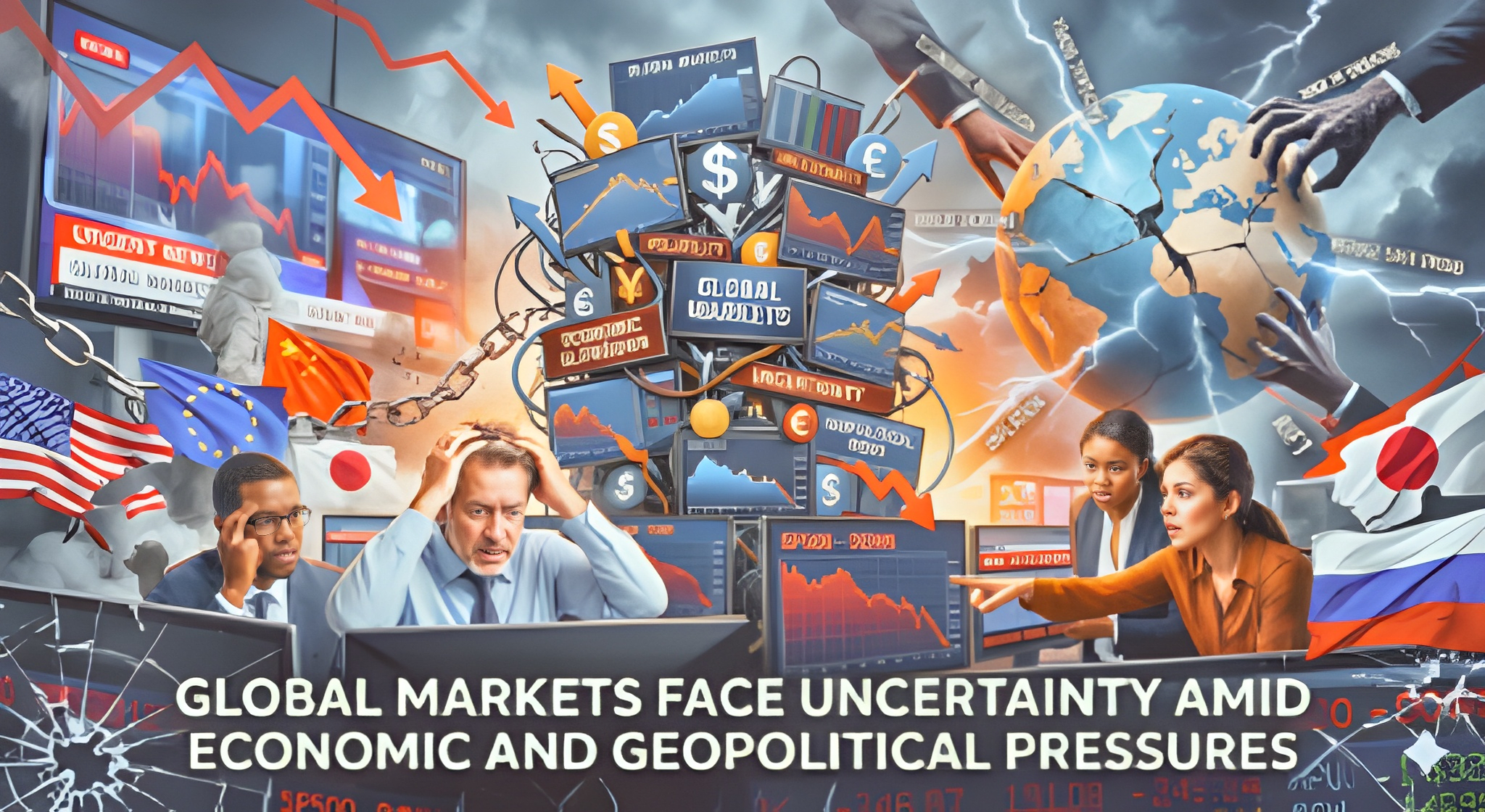
Financial markets around the world continue to experience instability as investors react to geopolitical tensions, rising government debt levels, and concerns about inflation. Bond markets have been particularly affected, with borrowing costs in major economies reaching levels not seen in many years. Economists say investors remain concerned that prolonged conflict in the Middle East could keep energy prices elevated and complicate efforts by central banks to control inflation.
Recent weeks have seen sharp swings in stock markets, currency values, and government bond yields. Some of the turbulence has been linked directly to developments in U.S.-Iran negotiations. Whenever signs of progress emerge, markets generally respond positively. However, reports of military activity or stalled talks quickly trigger renewed uncertainty among traders and investors.
Analysts warn that governments may face increasing pressure as higher borrowing costs make it more expensive to finance public spending programs. At the same time, weaker economic growth in parts of Europe and Asia has raised concerns about the broader outlook for the global economy. Financial institutions are now closely watching both diplomatic developments and upcoming economic data for indications of where markets may head next.
About The Author