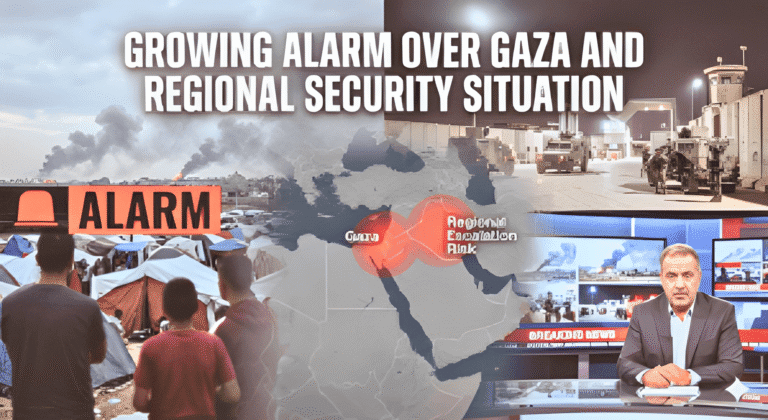

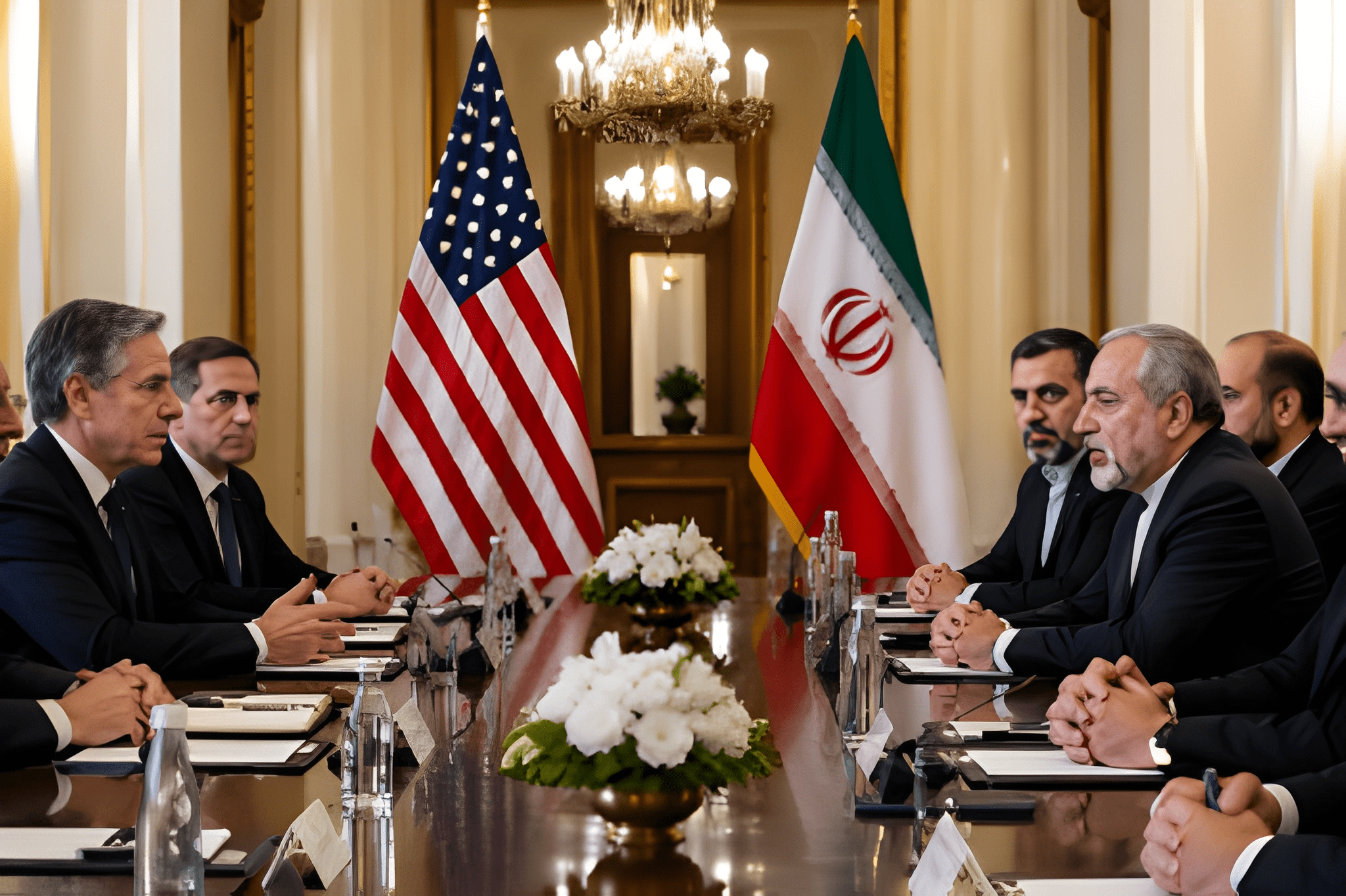
Diplomatic efforts between the United States and Iran have entered a critical phase, with both sides continuing negotiations aimed at ending months of military confrontation and restoring stability in the Middle East. Although officials have reported progress, major disagreements remain over Iran’s nuclear activities and the future of the Strait of Hormuz, one of the world’s most important oil shipping routes.
The conflict has had global consequences. Energy markets have experienced significant volatility, with oil prices rising sharply during periods of military escalation before falling again whenever reports suggested diplomatic breakthroughs. Investors and governments worldwide are closely monitoring developments because any disruption to the Strait of Hormuz could affect global fuel supplies and increase inflation pressures across many economies.
U.S. President Donald Trump has stated that a final decision on a possible agreement could come soon. Washington is demanding guarantees that shipping routes remain open and that Iran reduces its ability to develop nuclear weapons. Tehran, meanwhile, insists that any agreement must respect its national sovereignty and include relief from economic restrictions. Despite cautious optimism, diplomats acknowledge that several difficult issues remain unresolved.
About The Author