
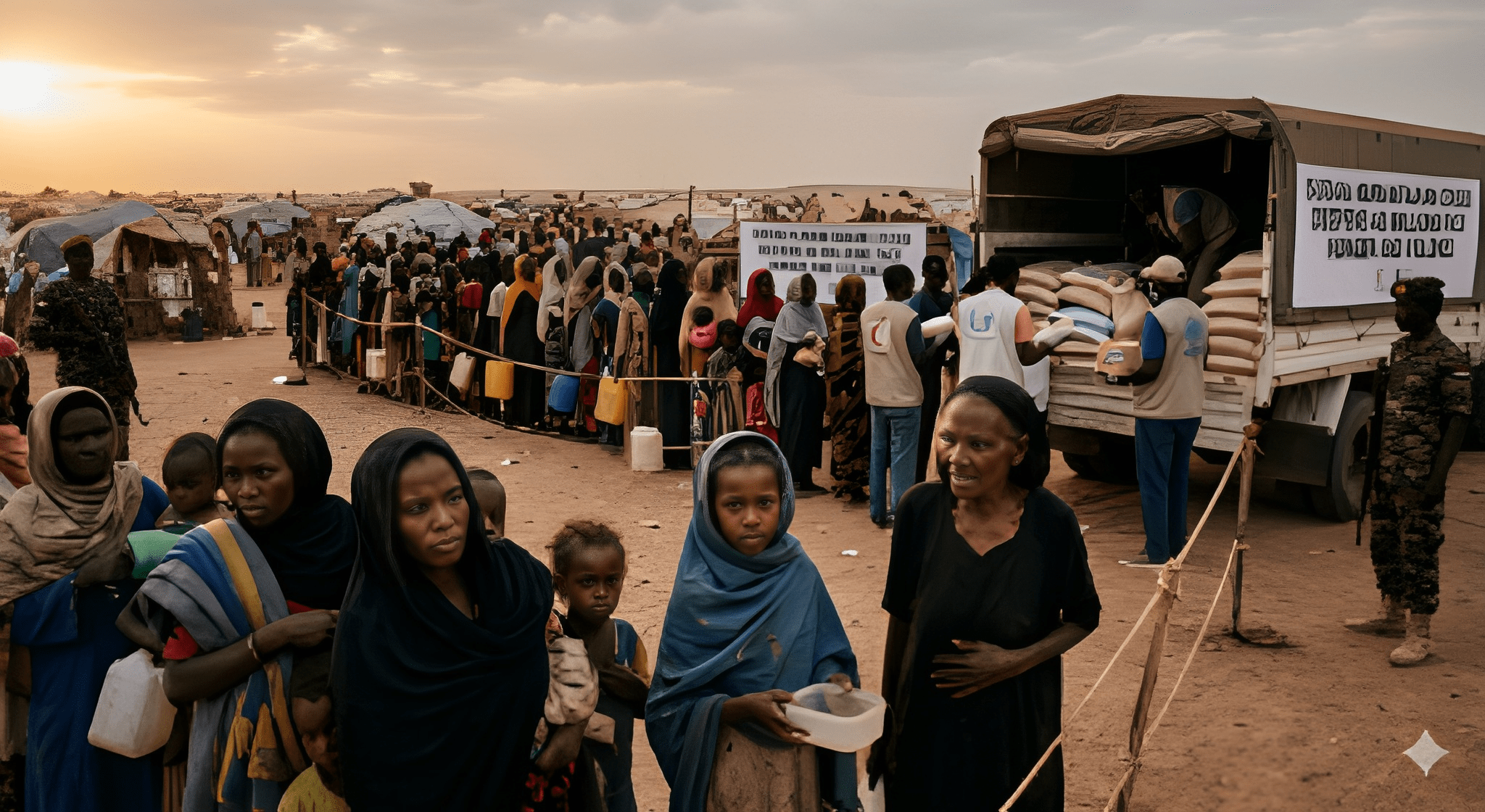
The humanitarian situation in Sudan continues to deteriorate, with United Nations agencies warning that nearly 20 million people are now facing acute food shortages as the country’s civil war enters another devastating year. Aid organizations say the conflict has pushed millions from their homes, disrupted agriculture, and left entire communities struggling to access food, healthcare, and clean water.
According to the latest assessments, more than five million people are experiencing emergency levels of hunger, while hundreds of thousands face catastrophic conditions that place them at immediate risk of starvation. Children remain among the most vulnerable, with aid agencies warning that severe malnutrition rates are rising rapidly across several regions. Disease outbreaks including cholera, malaria, and measles have further complicated the crisis.
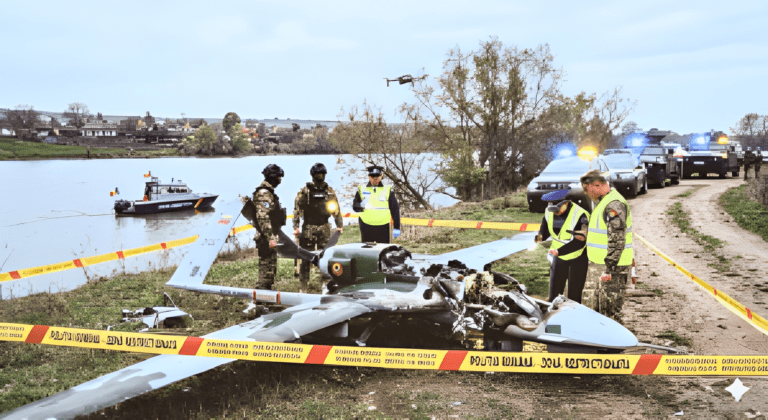
The United Nations has also expressed alarm over the increasing use of armed drones in the conflict. Human rights officials reported that drones were responsible for more than 80 percent of civilian deaths recorded during the first months of 2026. The growing reliance on drone warfare has made it more difficult for civilians to escape danger and has complicated humanitarian operations attempting to reach affected populations.
International donors have begun increasing support. Canada recently announced more than $120 million in new humanitarian and development assistance for Sudan and neighboring countries affected by the conflict. Despite these efforts, aid agencies warn that funding remains far below what is needed to address one of the world’s largest humanitarian emergencies. They continue to call for an immediate ceasefire and unrestricted humanitarian access to prevent further loss of life.
About The Author